
VI · Eleusis
Literary narrative
The earth did not send up any seed.
Demeter kept the seeds covered underground. Many a curved plough was dragged along the fields by many an ox, all in vain.
Transcript
The Grain What happens to a world when the giver of grain refuses? The earth did not send up any seed. Demeter kept the seeds covered underground. Many a curved plough was dragged along the fields by many an ox, all in vain. A coastal sanctuary, a working field Eleusis sits on the coastal plain of Attica, a few miles west of Athens, where a sanctuary of Demeter faced the sea-road. The Homeric Hymn to Demeter is a Greek hexameter hymn, not by Homer in any biographical sense. Homeric names a style and a tradition. Foley and others place the composition in the seventh or sixth century BCE. It is the oldest continuous narrative we have of Demeter, Persephone, and the founding of the rites at that sanctuary, where a mystery cult of Demeter would be celebrated for a thousand years. The world of the hymn is already agricultural. Oxen already pull. Curved ploughs already know the ground. Seed already knows how to rise. The terror is not that humans have not yet learned to farm. The terror is that a working year can be sat upon until nothing comes up. The hymn is not a manual of those mysteries. It says they cannot be spoken. It is also not the later story in which Triptolemus flies a winged cart around the world teaching mortals to farm. That is vase-painting and later mythography. Keep the hymn poorer than the cart. A seizure, a search, a refusal Persephone is gathering flowers. The earth opens. Hades seizes her, with Zeus’s consent, and takes her below. Demeter hears the cry. She wanders nine days without food or bath. Hekate and Helios finally tell her who took the girl. Disguised as an old woman she comes to Eleusis, to the house of Keleos. She is hired to nurse the infant Demophon. By night she anoints him with ambrosia and hides him in the fire, to make him ageless. Metaneira spies, screams, and breaks the work. Demeter reveals herself, still without her daughter. Then she does the world-making thing. She sits in her temple and withholds the seed. The earth sends up nothing. Ploughs fail. Grain falls into the ground for naught. Mortals begin to die, which means the gods begin to lose their sacrifices. Zeus sends messengers. Demeter will not lift the famine until she sees her child. Hermes fetches Persephone. She has eaten a pomegranate seed in the house of Hades, so she will not stay above for the whole year. A third of the year below, the rest with her mother: the hymn’s arithmetic. Demeter restores the grain. She then teaches the kings of Eleusis the sacred rites, among them Triptolemus, Diokles, Eumolpos, and Keleos. The hymn says the ritual cannot be ignored, found out, or spoken. The initiate is olbios. The uninitiate, once dead, will not have that share. The Earth did not send up any seed. Demeter, she with the beautiful garlands in her hair, kept them covered underground. Many a curved plough was dragged along the fields by many an ox, all in vain. Agriculture is already there. Then it stops. The hymn does not narrate the invention of farming. Mortals already plough. Oxen already pull. Seed already knows the ground. Demeter’s power is that she can cover it. A world can lose food without losing the memory of how food is made. The rites she teaches at the end are not a public lesson in sowing. They are a secret. Foley’s edition keeps that limit visible. What Eleusis actually did inside the telesterion is not something the hymn will tell a website. Triptolemus, in this text, is one of the kings who receive the ritual. Later Athenian art makes him the teacher of grain to the nations. That is a different office. This room will not collapse them. Comparison is ours Hymn and later cart Withhold, restore, initiate A mother refuses the seed until a daughter is partly returned. Grain is a power that can be sat upon. The gift at the end is a rite that must not be spoken. A hero who teaches farming Vases and later tellings send Triptolemus out with grain and a winged cart. That image is how many modern readers first meet ‘Demeter gives agriculture.’ It is not this hymn’s plot. Do not use the cart as a caption for the hymn. Do not use the hymn as a caption for the mysteries. Hymn, cult, later picture The text. A Homeric hymn in which Persephone is seized, Demeter searches, an attempt to immortalise Demophon fails, grain is withheld, Persephone returns for part of the year, and Eleusinian rites are taught under a ban on speaking them. The history. Eleusis was a real sanctuary. The Mysteries were a real Athenian (and then imperial) institution. The hymn is not a transcript of the rites. Date of the poem is a range. The scholarship. Foley 1994 remains the English hinge. What the initiates saw is still not known. Do not fill the gap with modern fertility allegory and call it the text. What this is not. It is not proof that Greeks invented agriculture. Neighbouring peoples farmed. It is not a children’s myth of seasons only. The pomegranate seed is in the poem; the schoolroom moral is later. What this story thinks a world needs A world, here, needs grain that comes up. It also needs the possibility that the giver can sit down and refuse. Food is not a permanent civic utility. It is a relation that can be broken and, on terms, restored. The hymn adds a second need it will not describe: a rite, taught to named kings, that must not be spoken, and that changes what death is for those who have seen it. This site will not pretend to have seen it. What happens to a world when the giver of grain refuses?
VI
Literary narrative
Attic Greek; Homeric hymn
Homeric Hymn to Demeter, probably seventh or sixth century BCE
The object
Seed kept underground, ploughs dragged in vain
The question
What happens to a world when the giver of grain refuses?
Bring me there
A coastal sanctuary, a working field
Eleusis sits on the coastal plain of Attica, a few miles west of Athens, where a sanctuary of Demeter faced the sea-road. The Homeric Hymn to Demeter is a Greek hexameter hymn, not by Homer in any biographical sense. Homeric names a style and a tradition. Foley and others place the composition in the seventh or sixth century BCE. It is the oldest continuous narrative we have of Demeter, Persephone, and the founding of the rites at that sanctuary, where a mystery cult of Demeter would be celebrated for a thousand years.
The world of the hymn is already agricultural. Oxen already pull. Curved ploughs already know the ground. Seed already knows how to rise. The terror is not that humans have not yet learned to farm. The terror is that a working year can be sat upon until nothing comes up.
The hymn is not a manual of those mysteries. It says they cannot be spoken. It is also not the later story in which Triptolemus flies a winged cart around the world teaching mortals to farm. That is vase-painting and later mythography. Keep the hymn poorer than the cart.
Let the story happen
A seizure, a search, a refusal
Persephone is gathering flowers. The earth opens. Hades seizes her, with Zeus’s consent, and takes her below. Demeter hears the cry. She wanders nine days without food or bath. Hekate and Helios finally tell her who took the girl.
Disguised as an old woman she comes to Eleusis, to the house of Keleos. She is hired to nurse the infant Demophon. By night she anoints him with ambrosia and hides him in the fire, to make him ageless. Metaneira spies, screams, and breaks the work. Demeter reveals herself, still without her daughter.
Then she does the world-making thing. She sits in her temple and withholds the seed. The earth sends up nothing. Ploughs fail. Grain falls into the ground for naught. Mortals begin to die, which means the gods begin to lose their sacrifices. Zeus sends messengers. Demeter will not lift the famine until she sees her child.
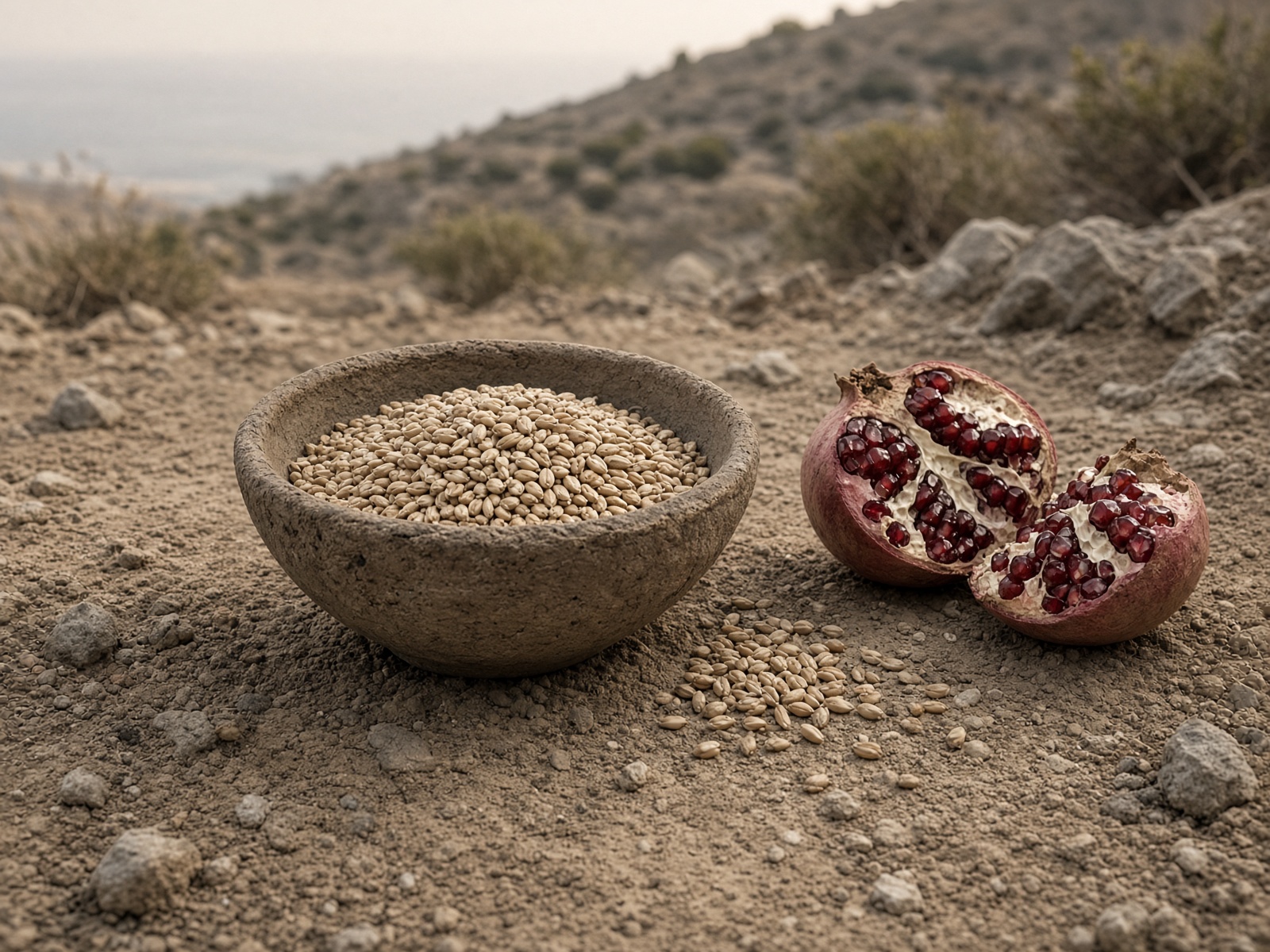
Hermes fetches Persephone. She has eaten a pomegranate seed in the house of Hades, so she will not stay above for the whole year. A third of the year below, the rest with her mother: the hymn’s arithmetic. Demeter restores the grain. She then teaches the kings of Eleusis the sacred rites, among them Triptolemus, Diokles, Eumolpos, and Keleos. The hymn says the ritual cannot be ignored, found out, or spoken. The initiate is olbios. The uninitiate, once dead, will not have that share.
The Earth did not send up any seed. Demeter, she with the beautiful garlands in her hair, kept them covered underground. Many a curved plough was dragged along the fields by many an ox, all in vain.
Stop at the strange thing
Agriculture is already there. Then it stops.
The hymn does not narrate the invention of farming. Mortals already plough. Oxen already pull. Seed already knows the ground. Demeter’s power is that she can cover it. A world can lose food without losing the memory of how food is made.
The rites she teaches at the end are not a public lesson in sowing. They are a secret. Foley’s edition keeps that limit visible. What Eleusis actually did inside the telesterion is not something the hymn will tell a website.
Triptolemus, in this text, is one of the kings who receive the ritual. Later Athenian art makes him the teacher of grain to the nations. That is a different office. This room will not collapse them.
Comparison is ours
Hymn and later cart
The hymn
Withhold, restore, initiate
A mother refuses the seed until a daughter is partly returned. Grain is a power that can be sat upon. The gift at the end is a rite that must not be spoken.
Later art
A hero who teaches farming
Vases and later tellings send Triptolemus out with grain and a winged cart. That image is how many modern readers first meet ‘Demeter gives agriculture.’ It is not this hymn’s plot.
Do not use the cart as a caption for the hymn. Do not use the hymn as a caption for the mysteries.
Show me the source
Hymn 2. Foley for the scholarship. Nagy is a public door.
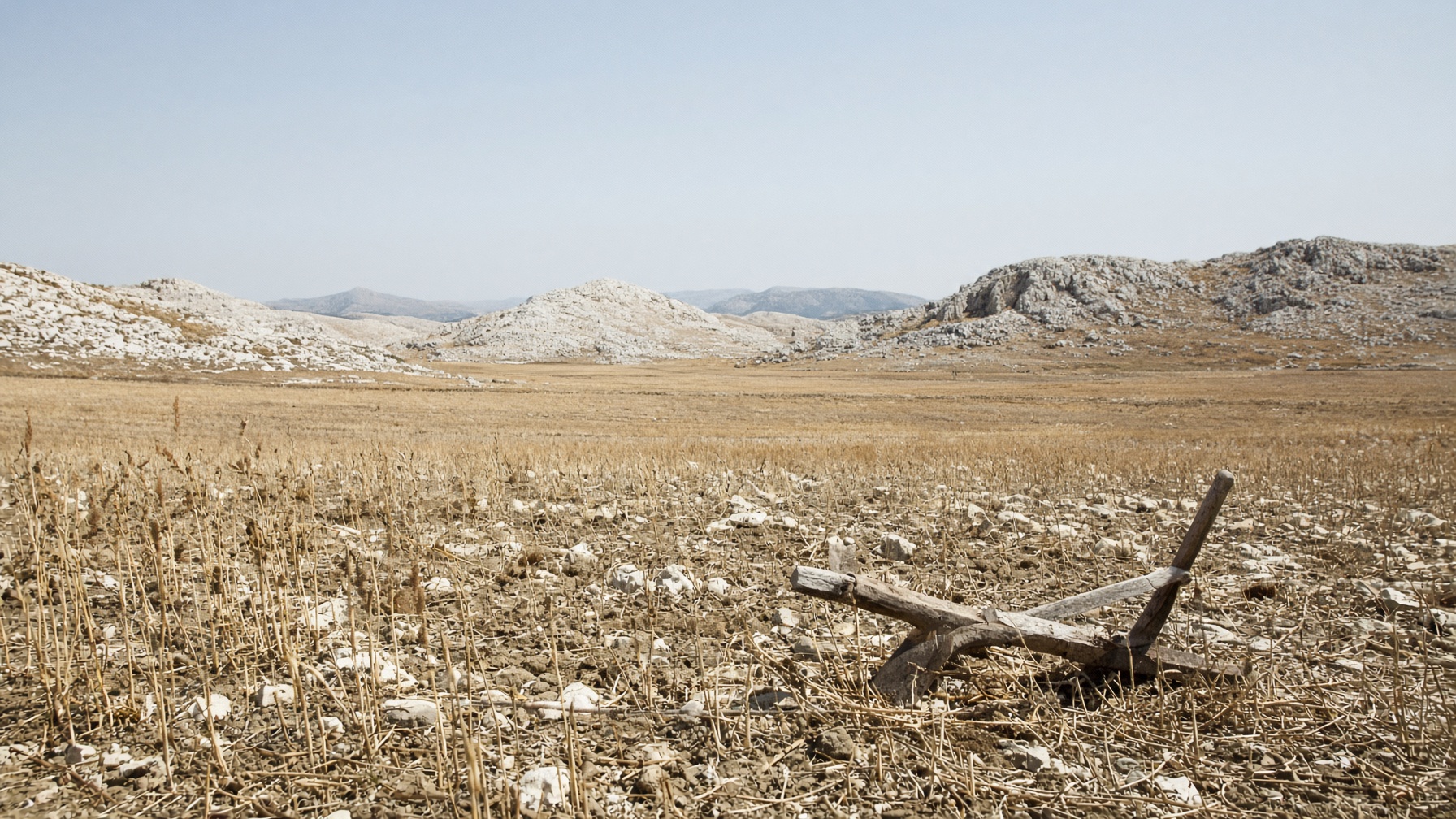
A picture of a dry field is atmosphere. It is not Eleusis in a dated year, and it is not the telesterion. The hymn is the source. The cult is a historical religion whose interior remains, by design, unpublished.
Homeric Hymn to Demeter (Hymn 2). Greek: Scaife / Perseus. Scholarly English and essays: Helene P. Foley, The Homeric Hymn to Demeter (Princeton, 1994). Public English used here: Gregory Nagy, Center for Hellenic Studies.
Open the sourceWhat do we actually know?
Hymn, cult, later picture
The history
What, exactly, is historical here?
Eleusis was a real sanctuary on the coastal plain of Attica. The Mysteries were a historical institution. The Homeric Hymn is a poem. Demeter and Persephone are gods of a historical religion. The hymn is not a transcript of the rites, and it does not invent agriculture.
The text
A Homeric hymn in which Persephone is seized, Demeter searches, an attempt to immortalise Demophon fails, grain is withheld, Persephone returns for part of the year, and Eleusinian rites are taught under a ban on speaking them.
The history
Eleusis was a real sanctuary. The Mysteries were a real Athenian (and then imperial) institution. The hymn is not a transcript of the rites. Date of the poem is a range.
The scholarship
Foley 1994 remains the English hinge. What the initiates saw is still not known. Do not fill the gap with modern fertility allegory and call it the text.
The scholarship
What this is not
It is not proof that Greeks invented agriculture. Neighbouring peoples farmed. It is not a children’s myth of seasons only. The pomegranate seed is in the poem; the schoolroom moral is later.
From this story only
What this story thinks a world needs
A world, here, needs grain that comes up. It also needs the possibility that the giver can sit down and refuse. Food is not a permanent civic utility. It is a relation that can be broken and, on terms, restored.
The hymn adds a second need it will not describe: a rite, taught to named kings, that must not be spoken, and that changes what death is for those who have seen it. This site will not pretend to have seen it.
What happens to a world when the giver of grain refuses?