
X · Kaikōmako
Literary narrative · Mythic figure
She threw the last sparks into the trees.
The nails of fire are gone. What remains is wood that will take a spark again.
Transcript
The Trees Where does a world keep its fire once the giver is gone? She threw the last sparks into the trees. The nails of fire are gone. What remains is wood that will take a spark again. A writer, not a governor’s tribe This room does not begin in a general Pacific. It begins with a man who wrote. Wiremu Maihi Te Rangikāheke was Ngāti Rangiwewehi, Te Arawa, from the Rotorua lakes. In the late 1840s he lived in Auckland and wrote, in Māori, for Governor George Grey: genealogies, the separation of Rangi and Papa, the deeds of Māui, the coming of Te Arawa canoe. Jenifer Curnow’s count is more than eight hundred pages. Twenty-one manuscripts are his alone. They sit in Auckland Central City Library as Grey New Zealand Māori Manuscripts, GNZMMSS. Grey published Ko ngā mahinga a ngā tūpuna Māori in 1854, and an English book in 1855: Polynesian Mythology. Curnow is plain: Grey did not acknowledge the debt. He introduced alterations, combinations and omissions. The English most of the world still meets as “the Māori fire story” is that filter. The brake on this door was exactly that. Founding pass would not keep a room from Grey alone. The iwi-specific source is Te Rangikāheke. Grey remains the public English, named as a filter, not as the origin. Nails of fire, then a chase In this telling Māui puts out the cooking fires of the village in the night. Morning is cold. Someone must go to Mahuika, the ancestress who still has fire. He goes. She pulls out a nail. Fire flows from it. He takes it a little way off and puts it out. He comes back. The light you gave me has gone out. Give me another. She pulls the next. He does this until the fingers of one hand are gone, then the other, then the nails of her feet, except one great toe. She knows the trick. She pulls the last nail, dashes it down, and the place catches. Māui runs. In Grey’s English he calls on Tāwhirimātea and Whaitiri-matakataka for water. Squalls. Lasting rain. Mahuika almost perishes. Her shrieks become as loud as his had been when the fire scorched him. Then the aged woman pulled out her nail; and as she pulled it out fire flowed from it, and she gave it to him. The fire is not gone. It is in the wood. Before the fire is all lost, Mahuika saves a few sparks and throws them, to protect them, into kaikōmako, and a few other trees. Men yet use portions of those woods when they require a light. That is the hinge. Prometheus hid an ember in a hollow stalk so a god would not see. This telling hides the last fire in living timber so a world can still cook after the giver is spent. The trees are not a metaphor laid on later. They are named. Kaikōmako is Pennantia corymbosa. Māhoe is Melicytus ramiflorus. Elsdon Best, writing of the Polynesian fire-plough in 1924, calls the hearth-stick kauati, sometimes kauati a Māui, and names Pennantia as the wood a person would choose when it could be had. Hika is the rubbing. Two sticks. A groove. An ember that can be nursed. The story is not a children’s trick about fingernails. It is a charter for why those trees are fire, and why a cooking-house can be started again when the village fires have gone out. Before it was all lost, she saved a few sparks which she threw, to protect them, into the kaikōmako, and a few other trees, where they are still cherished; hence, men yet use portions of the wood of these trees for fire when they require a light. Kept apart A manuscript is not a governor’s book Te Rangikāheke Ngāti Rangiwewehi, Te Arawa. Māori pages, written before 1854, now GNZMMSS in Auckland. The deeds of Māui as he set them down. Curnow 1985 is the life. The manuscripts are the object. Grey, 1855 A public book that still travels. Alterations, combinations, omissions. The debt unacknowledged. This room quotes it because it is the English door, and says so. It is not the origin. Do not call Grey “the Māori text in English.” Do not pretend the manuscripts are lost. They are in Auckland. The scholarship One iwi’s pages are not Polynesia Related fire-quests exist across eastern Polynesia. No two islands tell the same story. In many of those tellings the fire-guardian is male: Mahuike, Ma‘uike, Mafui‘e. In this New Zealand telling Mahuika is an ancestress, nails of a hand, trees that take the last spark. Similarity is not lineage. This site will not mash them. Other iwi in Aotearoa tell Māui otherwise. Southern traditions dispute his fishing of the North Island. Ngāti Kuia pages collected later are another dossier. Kāti Māhaki ki Makaawhio name a landing, not this fire. Do not flatten. Prometheus already has a room. He steals an ember Zeus had hidden. Mahuika is not Zeus. Kaikōmako is not narthex. Comparison is ours, and it comes after the particulars. Living fire-making is not a plot we scrape. Best recorded the method. The trees are still the trees. This room will not print karakia. It will not turn a school-book Māui into a cute trickster card. A writer, a filter, a tree The text. A Te Arawa telling, written by Te Rangikāheke, in which Māui extinguishes village fires, takes Mahuika’s nails of fire one by one, is chased, calls rain, and the last sparks are thrown into kaikōmako and other trees from which fire can be rubbed again. The history. Te Rangikāheke is historical. The manuscripts are historical. Grey’s 1855 English is historical mediation. Māui and Mahuika are not historical persons. Kaikōmako is a botanical fact. Hawaiki in the telling is not a site this room will plant. The scholarship. Curnow 1985 for the writer and for Grey’s alterations. Best 1924 for the fire-plough and Pennantia. Bucková and others for east Polynesian variation. Report the filter. Do not use variation as a licence to combine. What this is not. It is not Hesiod. It is not “the Māori myth.” It is not all Polynesia. It is not a children’s fingernails story with the trees as decoration. It is not a living karakia we have scraped. KAIKOMAKO. On the four English faces: 87, 156, 33, 57. Miss. MAUI misses. MAHUIKA misses. THE TREES misses. MAHOE hits 42 and 24. That is not why fire lives in the wood. No plate. What this story thinks a world needs A world, here, needs fire that can outlive the giver. The last act is not a theft Zeus fails to see. It is a throwing-into-wood: sparks protected in named trees, recoverable by rubbing when the cooking-houses have gone dark. It also needs a telling that can be written down by a named person of a named iwi, and it needs us not to mistake the governor’s English for that writing. Where does a world keep its fire once the giver is gone? Another fire, a hollow stalk Prometheus steals an ember Zeus had hidden. That room is Hesiod. This room is Mahuika’s last sparks in kaikōmako. One canonical home each.
X
Literary narrative · Mythic figure
Māori; Te Arawa telling written by Te Rangikāheke
Oral; written 1849–54; Grey’s English 1855; living fire-making
The object
The last sparks thrown into kaikōmako
The question
Where does a world keep its fire once the giver is gone?
Bring me there
A writer, not a governor’s tribe
This room does not begin in a general Pacific. It begins with a man who wrote.
Wiremu Maihi Te Rangikāheke was Ngāti Rangiwewehi, Te Arawa, from the Rotorua lakes. In the late 1840s he lived in Auckland and wrote, in Māori, for Governor George Grey: genealogies, the separation of Rangi and Papa, the deeds of Māui, the coming of Te Arawa canoe. Jenifer Curnow’s count is more than eight hundred pages. Twenty-one manuscripts are his alone. They sit in Auckland Central City Library as Grey New Zealand Māori Manuscripts, GNZMMSS.
Grey published Ko ngā mahinga a ngā tūpuna Māori in 1854, and an English book in 1855: Polynesian Mythology. Curnow is plain: Grey did not acknowledge the debt. He introduced alterations, combinations and omissions. The English most of the world still meets as “the Māori fire story” is that filter.
The brake on this door was exactly that. Founding pass would not keep a room from Grey alone. The iwi-specific source is Te Rangikāheke. Grey remains the public English, named as a filter, not as the origin.
Let the story happen
Nails of fire, then a chase
In this telling Māui puts out the cooking fires of the village in the night. Morning is cold. Someone must go to Mahuika, the ancestress who still has fire.
He goes. She pulls out a nail. Fire flows from it. He takes it a little way off and puts it out. He comes back. The light you gave me has gone out. Give me another. She pulls the next. He does this until the fingers of one hand are gone, then the other, then the nails of her feet, except one great toe.
She knows the trick. She pulls the last nail, dashes it down, and the place catches. Māui runs. In Grey’s English he calls on Tāwhirimātea and Whaitiri-matakataka for water. Squalls. Lasting rain. Mahuika almost perishes. Her shrieks become as loud as his had been when the fire scorched him.
Then the aged woman pulled out her nail; and as she pulled it out fire flowed from it, and she gave it to him.
Stop at the strange thing
The fire is not gone. It is in the wood.
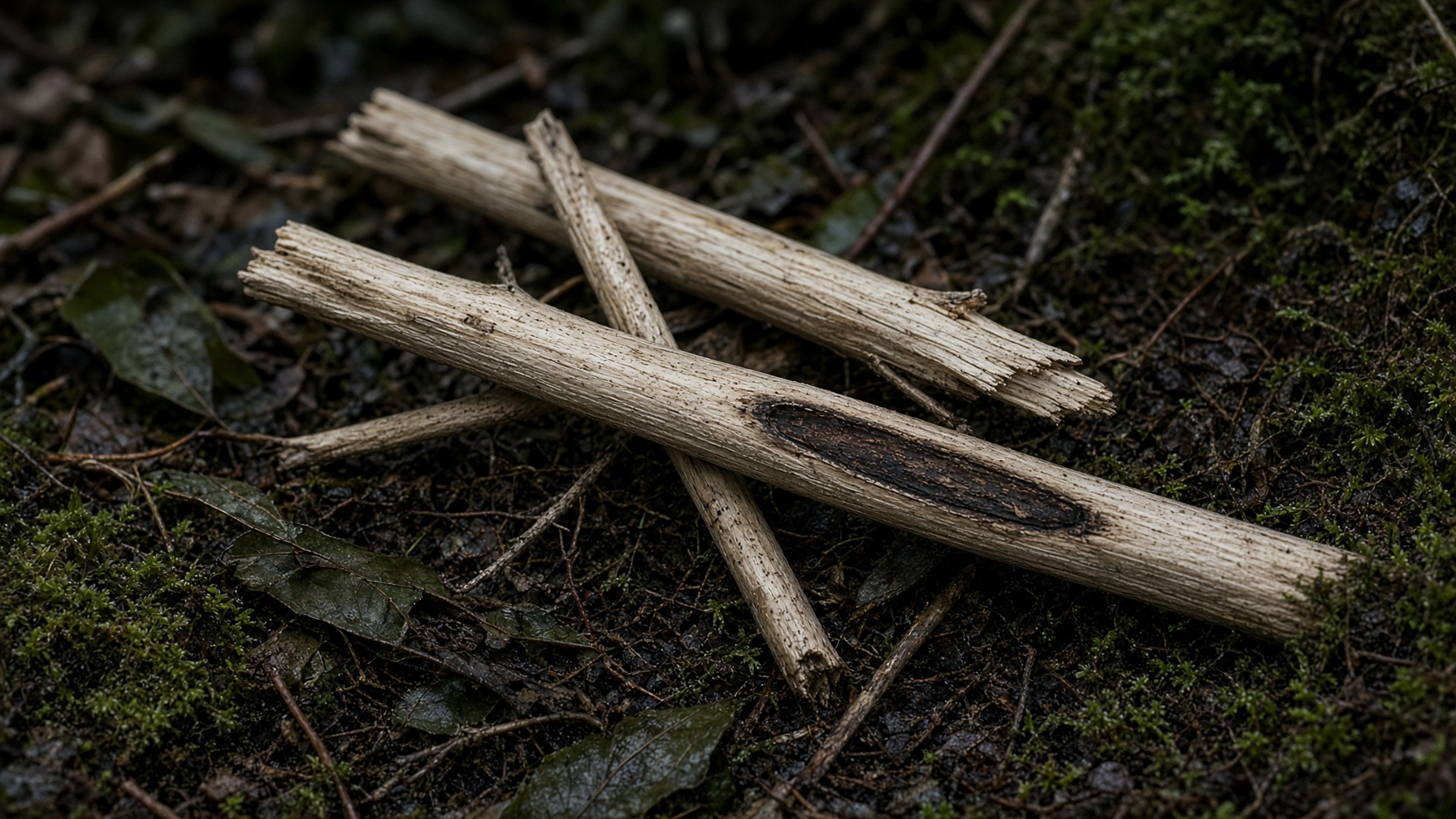
Before the fire is all lost, Mahuika saves a few sparks and throws them, to protect them, into kaikōmako, and a few other trees. Men yet use portions of those woods when they require a light.
That is the hinge. Prometheus hid an ember in a hollow stalk so a god would not see. This telling hides the last fire in living timber so a world can still cook after the giver is spent. The trees are not a metaphor laid on later. They are named. Kaikōmako is Pennantia corymbosa. Māhoe is Melicytus ramiflorus. Elsdon Best, writing of the Polynesian fire-plough in 1924, calls the hearth-stick kauati, sometimes kauati a Māui, and names Pennantia as the wood a person would choose when it could be had.
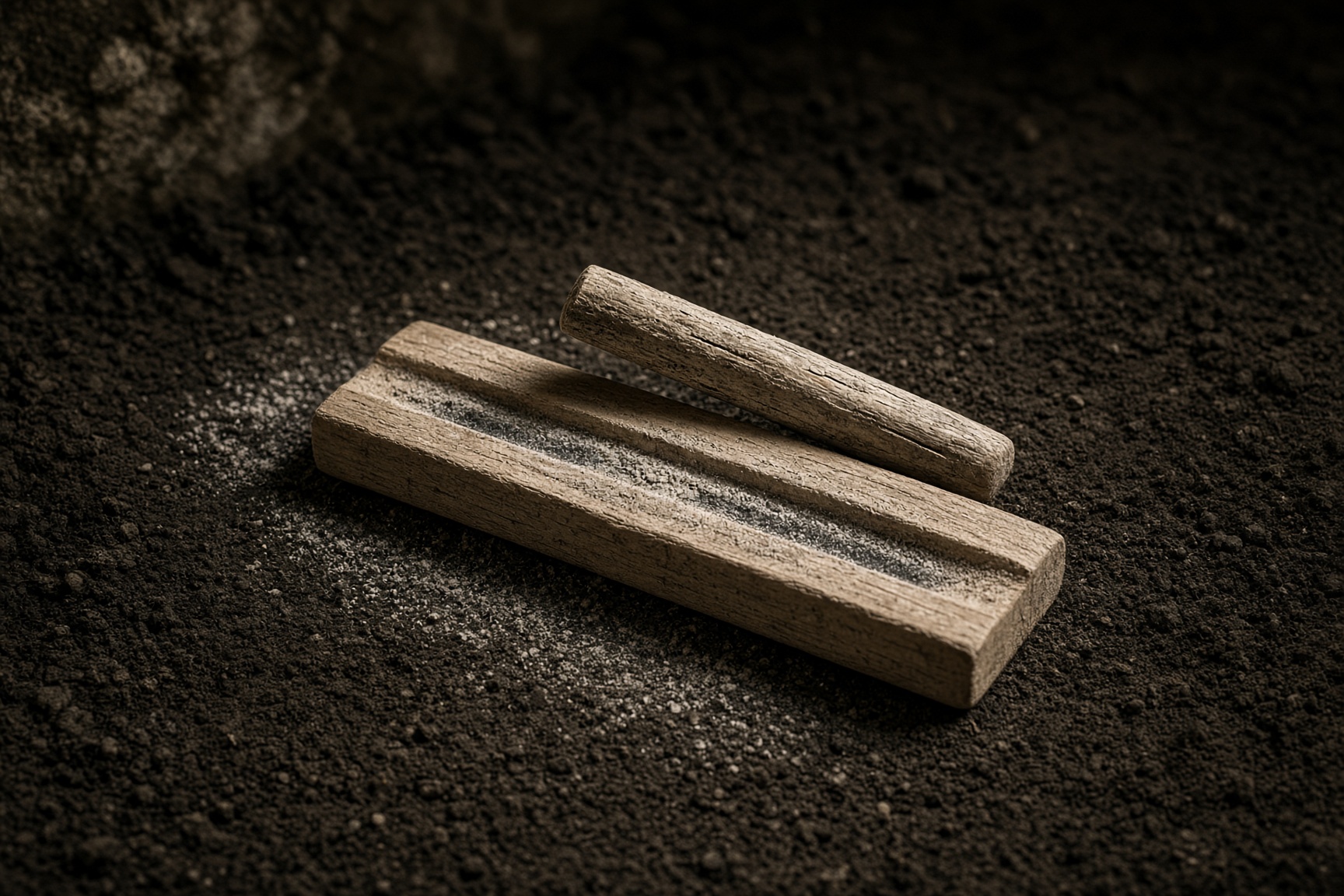
Hika is the rubbing. Two sticks. A groove. An ember that can be nursed. The story is not a children’s trick about fingernails. It is a charter for why those trees are fire, and why a cooking-house can be started again when the village fires have gone out.
Before it was all lost, she saved a few sparks which she threw, to protect them, into the kaikōmako, and a few other trees, where they are still cherished; hence, men yet use portions of the wood of these trees for fire when they require a light.
Kept apart
A manuscript is not a governor’s book
The writer
Te Rangikāheke
Ngāti Rangiwewehi, Te Arawa. Māori pages, written before 1854, now GNZMMSS in Auckland. The deeds of Māui as he set them down. Curnow 1985 is the life. The manuscripts are the object.
The English
Grey, 1855
A public book that still travels. Alterations, combinations, omissions. The debt unacknowledged. This room quotes it because it is the English door, and says so. It is not the origin.
Do not call Grey “the Māori text in English.” Do not pretend the manuscripts are lost. They are in Auckland.
The scholarship
One iwi’s pages are not Polynesia
Related fire-quests exist across eastern Polynesia. No two islands tell the same story. In many of those tellings the fire-guardian is male: Mahuike, Ma‘uike, Mafui‘e. In this New Zealand telling Mahuika is an ancestress, nails of a hand, trees that take the last spark. Similarity is not lineage. This site will not mash them.
Other iwi in Aotearoa tell Māui otherwise. Southern traditions dispute his fishing of the North Island. Ngāti Kuia pages collected later are another dossier. Kāti Māhaki ki Makaawhio name a landing, not this fire. Do not flatten.
Prometheus already has a room. He steals an ember Zeus had hidden. Mahuika is not Zeus. Kaikōmako is not narthex. Comparison is ours, and it comes after the particulars.
Living fire-making is not a plot we scrape. Best recorded the method. The trees are still the trees. This room will not print karakia. It will not turn a school-book Māui into a cute trickster card.
Show me the source
Manuscripts in Auckland; English in 1855
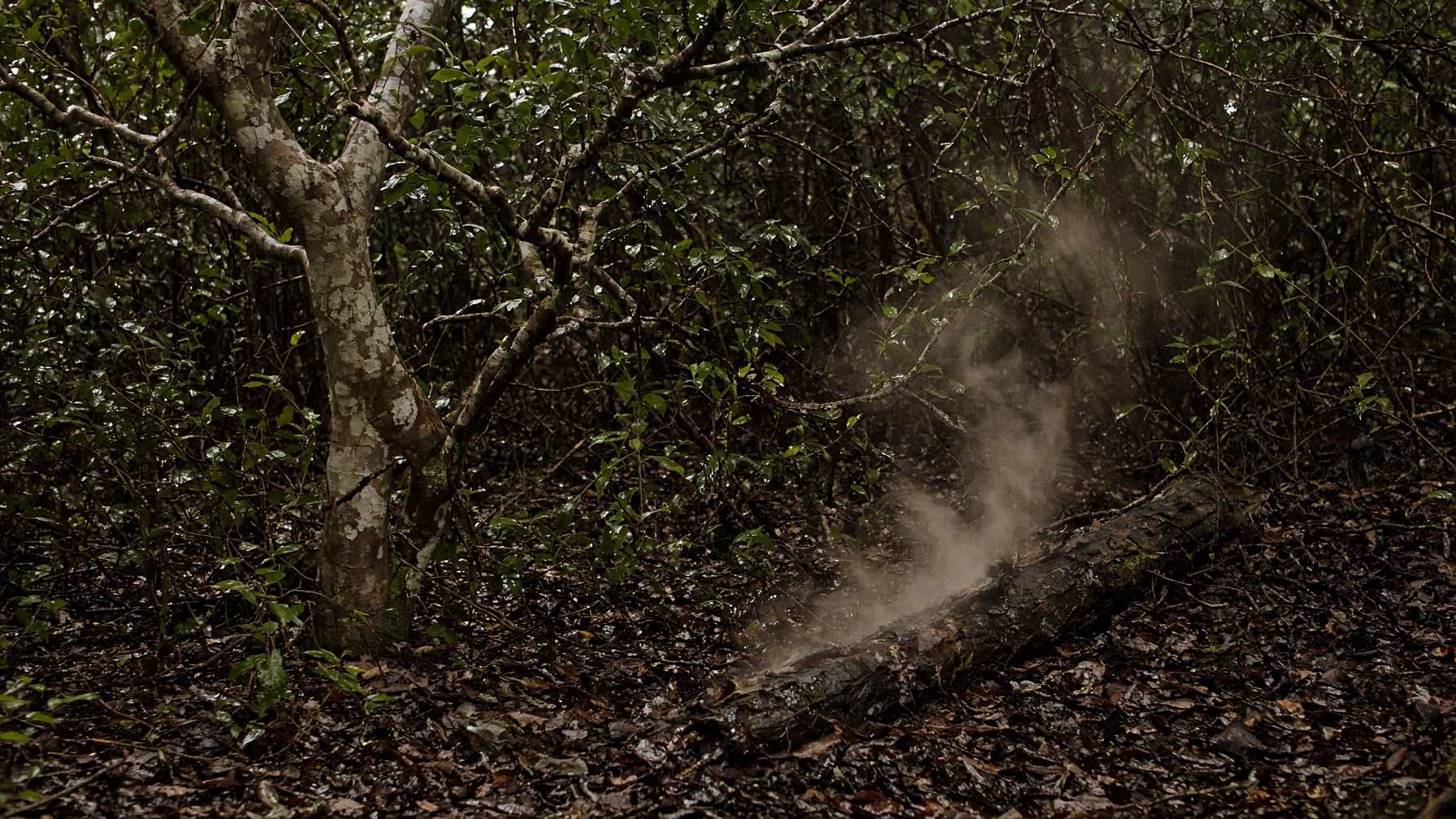
A picture of wet trees is atmosphere. It is not Mahuika’s mountain, and it is not a manuscript. Generated images do not impersonate GNZMMSS. The public English door is Grey 1855, named as a filter. The public life of the writer is Curnow. The object of the writing is in Auckland. Where they disagree in kind, the disagreement is the scholarship.
Te Rangikāheke manuscripts: Auckland Libraries, GNZMMSS. Life: Curnow, Journal of the Polynesian Society 94.2 (1985); Dictionary of New Zealand Biography. Grey, Polynesian Mythology (1855), public English: archive.org. Māori print of Grey’s edition: Ngā mahi a ngā tūpuna, Williams 1928. Material wood: Best, JPS 33 (1924).
Open the sourceWhat do we actually know?
A writer, a filter, a tree
The history
What, exactly, is historical here?
Te Rangikāheke (Wiremu Maihi, c. 1815–1896) was a historical writer of Ngāti Rangiwewehi, Te Arawa. His manuscripts are in Auckland: Grey New Zealand Māori Manuscripts. George Grey’s 1855 English is a governor’s translation of those pages, with alterations and an unacknowledged debt. Māui and Mahuika are not historical persons. Kaikōmako, Pennantia corymbosa, is a real tree. This room is one telling. It is not the Māori telling, and it is not Polynesia.
The text
A Te Arawa telling, written by Te Rangikāheke, in which Māui extinguishes village fires, takes Mahuika’s nails of fire one by one, is chased, calls rain, and the last sparks are thrown into kaikōmako and other trees from which fire can be rubbed again.
The history
Te Rangikāheke is historical. The manuscripts are historical. Grey’s 1855 English is historical mediation. Māui and Mahuika are not historical persons. Kaikōmako is a botanical fact. Hawaiki in the telling is not a site this room will plant.
The scholarship
Curnow 1985 for the writer and for Grey’s alterations. Best 1924 for the fire-plough and Pennantia. Bucková and others for east Polynesian variation. Report the filter. Do not use variation as a licence to combine.
The scholarship
What this is not
It is not Hesiod. It is not “the Māori myth.” It is not all Polynesia. It is not a children’s fingernails story with the trees as decoration. It is not a living karakia we have scraped.
Miss
KAIKOMAKO
On the four English faces: 87, 156, 33, 57. Miss. MAUI misses. MAHUIKA misses. THE TREES misses. MAHOE hits 42 and 24. That is not why fire lives in the wood. No plate.
From this story only
What this story thinks a world needs
A world, here, needs fire that can outlive the giver. The last act is not a theft Zeus fails to see. It is a throwing-into-wood: sparks protected in named trees, recoverable by rubbing when the cooking-houses have gone dark.
It also needs a telling that can be written down by a named person of a named iwi, and it needs us not to mistake the governor’s English for that writing.
Where does a world keep its fire once the giver is gone?